SOUP RECIPES
SOURCE (google.com)This is a list of notable soups. Soups have been made since ancient times.
Some soups are served with large chunks of meat or vegetables left in the liquid, while a broth is a flavored liquid usually derived from boiling a type of meat with bone, a spice mix, or a vegetable mix for a period of time in a stock. A common type of broth is consommé, which are crystal clear broths or stock that have a full flavor, aroma, and body.
A potage is a category of thick soups, stews, or porridges, in some of which meat and vegetables are boiled together with water until they form into a thick mush.
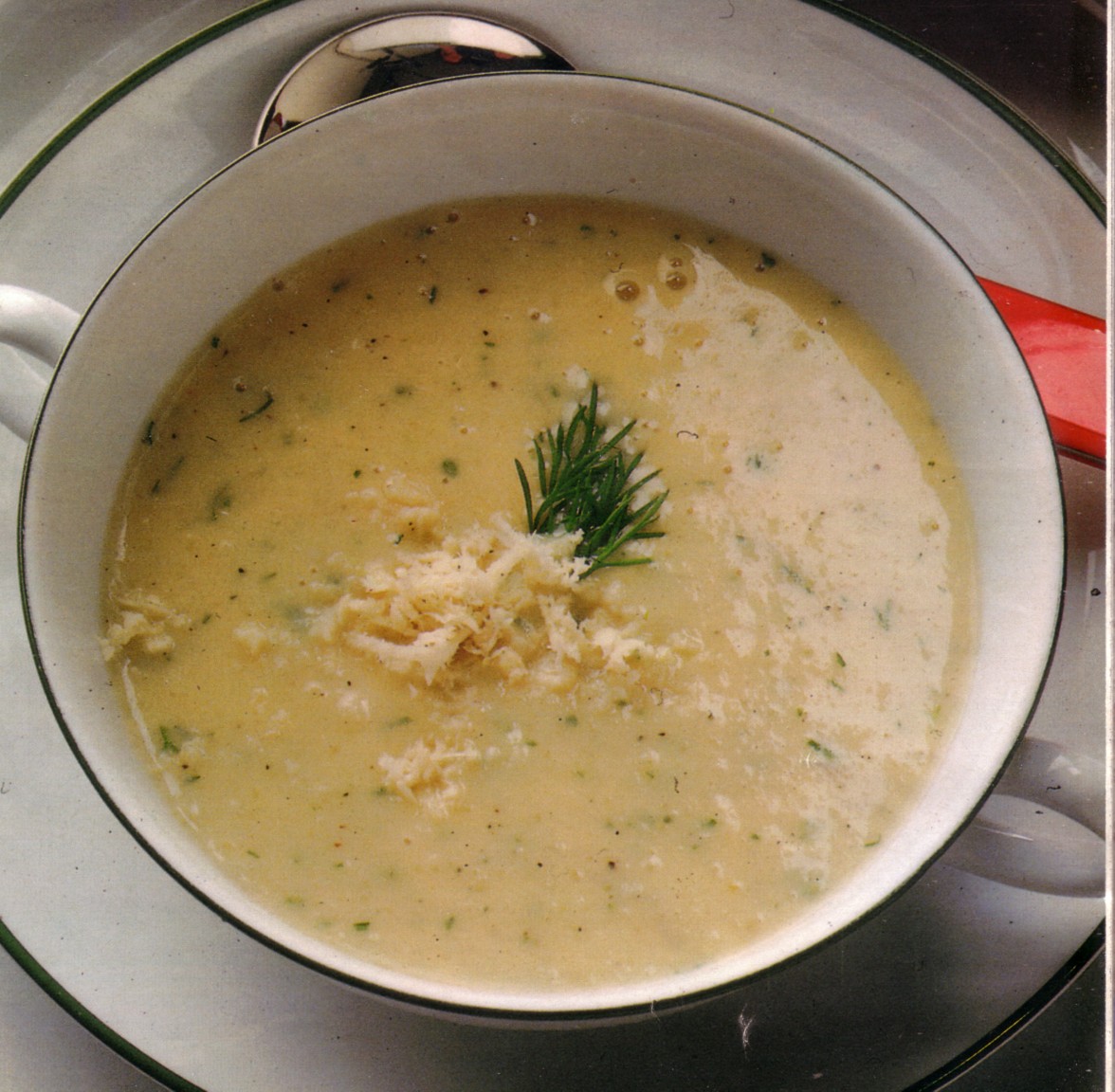
Bisques are heavy cream soups traditionally prepared with shellfish, but can be made with any type of seafood or other base ingredients. Cream soups are a dairy based soup. Although they may be consumed on their own, or with a meal, the canned, condensed form of cream soup is sometimes used as a quick sauce in a variety of meat and pasta convenience food dishes, such as casseroles. Similar to a bisque, chowders are thick soups usually containing some type of starch.
Coulis were originally meat juices, and now are thick purées.
Some soups are served only cold, and other soups can optionally be served cold.
Soup is a primarily liquid food, generally served warm (but may be cool or cold), that is made by combining ingredients such as meat and vegetables with stock, juice, water, or another liquid. Hot soups are additionally characterized by boiling solid ingredients in liquids in a pot until the flavors are extracted, forming a broth.
Traditionally, soups are classified into two main groups: clear soups and thick soups. The established French classifications of clear soups are bouillon and consommé. Thick soups are classified depending upon the type of thickening agent used: purées are vegetable soups thickened with starch; bisques are made from puréed shellfish or vegetables thickened with cream; cream soups may be thickened with béchamel sauce; and veloutés are thickened with eggs, butter, and cream. Other ingredients commonly used to thicken soups and broths include egg,[1] rice, lentils, flour, and grains; many popular soups also include carrots and potatoes.
Soups are similar to stews, and in some cases there may not be a clear distinction between the two; however, soups generally have more liquid than stews.
In the US, the first colonial cookbook was published by William Parks in Williamsburg, Virginia, in 1742, based on Eliza Smith's The Compleat Housewife; or Accomplished Gentlewoman's Companion and it included several recipes for soups and bisques. A 1772 cookbook, The Frugal Housewife, contained an entire chapter on the topic. English cooking dominated early colonial cooking; but as new immigrants arrived from other countries, other national soups gained popularity. In particular, German immigrants living in Pennsylvania were famous for their potato soups. In 1794, Jean Baptiste Gilbert Payplat dis Julien, a refugee from the French Revolution, opened an eating establishment in Boston called "The Restorator", and became known as the "Prince of Soups". The first American cooking pamphlet dedicated to soup recipes was written in 1882 by Emma Ewing: Soups and Soup Making.
Portable soup was devised in the 18th century by boiling seasoned meat until a thick, resinous syrup was left that could be dried and stored for months at a time.
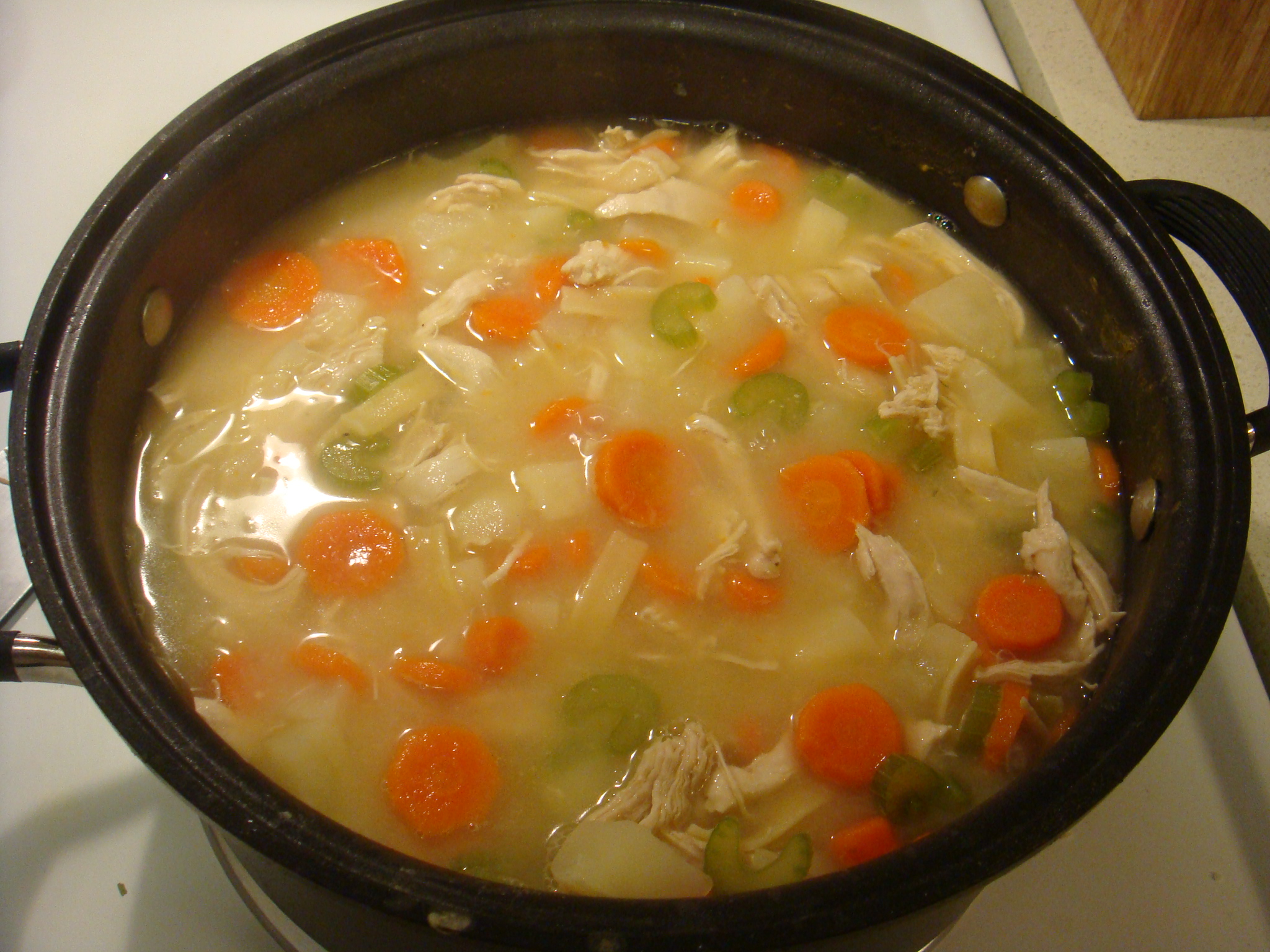
Variations on the flavor are gained by adding root vegetables such as parsnip, potato, sweet potato and celery root, herbs such as parsley, dill, other vegetables such as zucchini, whole garlic cloves or tomatoes and black pepper. The soup should be brought slowly to a boil and then simmered in a covered pot on a very low flame for one to three hours, adding water if necessary. A clearer broth is achieved by skimming the drops of fat off the top of the soup as it is cooking, first bringing the chicken to boil from a pot of cold water and discarding the water before continuing, or straining it through a strainer or cheesecloth. Saffron or turmeric are sometimes added as a yellow colorant. Then, the chicken can be shredded by hand and stored in the refrigerator until ready for use in the soup.
Soup Recipes
Soup Recipes

Soup Recipes

Soup Recipes

Soup Recipes

Soup Recipes
Soup Recipes

Soup Recipes

Soup Recipes
Soup Recipes
Soup Recipes
Soup Recipes
Soup Recipes

Soup Recipes

Soup Recipes

Soup Recipes
Soup Recipes
Soup Recipes

Soup Recipes

No comments:
Post a Comment