Chicken Breast Recipes
source (google.com)The modern chicken is a descendant of red junglefowl hybrids along with the grey junglefowl first raised thousands of years ago in the northern parts of the Indian subcontinent.[2]
Chicken as a meat has been depicted in Babylonian carvings from around 600 BC.[3] Chicken was one of the most common meats available in the Middle Ages.[citation needed] It was eaten over most of the Eastern hemisphere and a number of different kinds of chicken such as capons, pullets and hens were eaten. It was one of the basic ingredients in the so-called white dish, a stew usually consisting of chicken and fried onions cooked in milk and seasoned with spices and sugar.
Modern varieties of chicken such as the Cornish Cross, are bred specifically for meat production, with an emphasis placed on the ratio of feed to meat produced by the animal. The most common breeds of chicken consumed in the US are Cornish and White Rock.[7]
Chickens raised specifically for food are called broilers. In the United States, broilers are typically butchered at a young age. Modern Cornish Cross hybrids, for example, are butchered as early as 8 weeks for fryers and 12 weeks for roasting birds.
Capons (castrated cocks) produce more and fattier meat. For this reason, they are considered a delicacy and were particularly popular in the Middle Ages.
Chicken meat contains about two to three times as much polyunsaturated fat than most types of red meat when measured as weight percentage.[11]
Chicken generally includes low fat in the meat itself (castrated roosters excluded). The fat is highly concentrated on the skin. A 100g serving of baked chicken breast contains 4 grams of fat and 31 grams of protein, compared to 10 grams of fat and 27 grams of protein for the same portion of broiled, lean skirt steak.[12][13]
However, according to a 2006 Harvard School of Public Health study of 135,000 people, people who ate grilled skinless chicken 5 or more times a week had a 52 percent higher chance of developing bladder cancer compared to people who did not. However, such strong associations were not found in individuals regularly consuming chicken with skin intact.[14]
In many factory farms, chickens are routinely administered with the feed additive Roxarsone, an organoarsenic compound which partially decomposes into inorganic arsenic compounded in the flesh of chickens, and in their feces, which are often used as a fertilizer.[15] The compound is used to control stomach pathogens and promote growth. In a 2013 sample conducted by the Johns Hopkins School of Public Health of chicken meat from poultry producers that did not prohibit roxarsone, 70% of the samples in the US had levels which exceeded the safety limits as set by the FDA.[16] The FDA has since revised its stance on safe limits to inorganic arsenic in animal feed by stating that "any new
Information obtained by the Canadian Integrated Program for Antimicrobial Resistance (CIPARS) "strongly indicates that cephalosporin resistance in humans is moving in lockstep with the use of the drug in poultry production." According to the Canadian Medical Association Journal, the unapproved antibiotic ceftiofur is routinely injected into eggs in Quebec and Ontario to discourage infection of hatchlings. Although the data are contested by the industry, antibiotic resistance in humans appears to be directly related to the antibiotic's use in eggs.[18]
A recent study by the Translational Genomics Research Institute showed that nearly half (47%) of the meat and poultry in US grocery stores was contaminated with S. aureus, with more than half (52%) of those bacteria resistant to antibiotics.[19] Furthermore, as per the FDA, more than 25% of retail chicken is resistant to 5 or more different classes of antibiotic treatment drugs in the United States.[20] An estimated 90-100% of conventional chicken contains, at least, one form of antibiotic resistance microorganism. While organic chicken has been found to have a lower incidence at 84%.[21][22]
In random surveys of chicken products across the United States in 2012, the Physicians Committee for Responsible Medicine found 48% of samples to contain fecal matter.
On most commercial chicken farms (Concentrated Animal Feeding Operations) CAFO, the chickens spend their entire life standing in, laying on, and living in their own manure, which is somewhat mixed in with the bedding material (e.g. sawdust, wood shavings, chopped straw, etc.).
During shipping from the CAFO farm to the abattoir, the chickens are usually placed inside shipping crates that usually have slatted floors. Those crates are then piled 5 to 10 rows high on the transport truck to the abattoir. During shipment, the chickens tend to defecate, and that chicken manure tends to sit inside the crowded cages, contaminating the feathers and skin of the chickens, or rains down upon the chickens and crates on the lower levels of the transport truck. By the time the truck gets to the abattoir, most chickens have had their skin and feathers contaminated with feces.
There is also fecal matter in the intestines. While the slaughter process removes the feathers and intestines, only visible fecal matter is removed.[23] The high speed automated processes at the abattoir are not designed to remove this fecal contamination on the feather and skin. The high speed processing equipment tend to spray the contamination around to the birds going down the processing line, and the equipment on the line itself. At one or more points on most abattoirs, chemical sprays and baths (e.g. bleach, acids, peroxides, etc.) are used to partially rinse off or kill this bacterial contamination. Unfortunately, the fecal contamination, once it has occurred, especially in the various membranes between the skin and muscle, is impossible to completely remove.
With slaughter lines processing up to 140 birds/minute, safety inspectors do not have adequate time to properly examine visible fecal matter.[24] The USDA is currently allowing some abattoirs to process at unlimited line speeds (i.e. in excess of 140 birds/minute), further exasperating the fecal contamination issue.
Chicken Breast Recipes
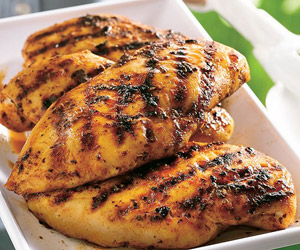
Chicken Breast Recipes

Chicken Breast Recipes
Chicken Breast Recipes

Chicken Breast Recipes

Chicken Breast Recipes

Chicken Breast Recipes
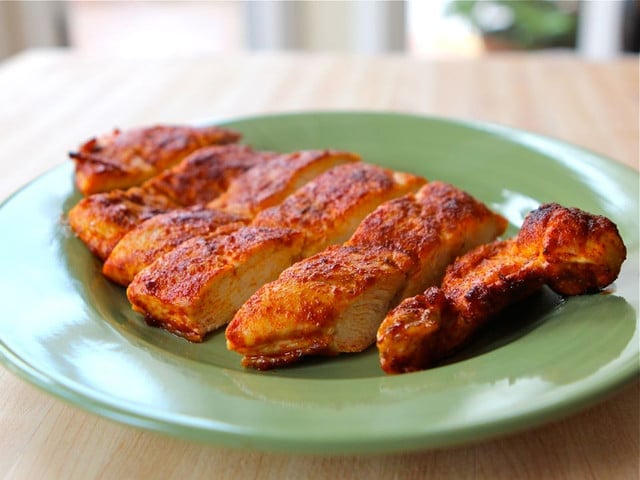
Chicken Breast Recipes
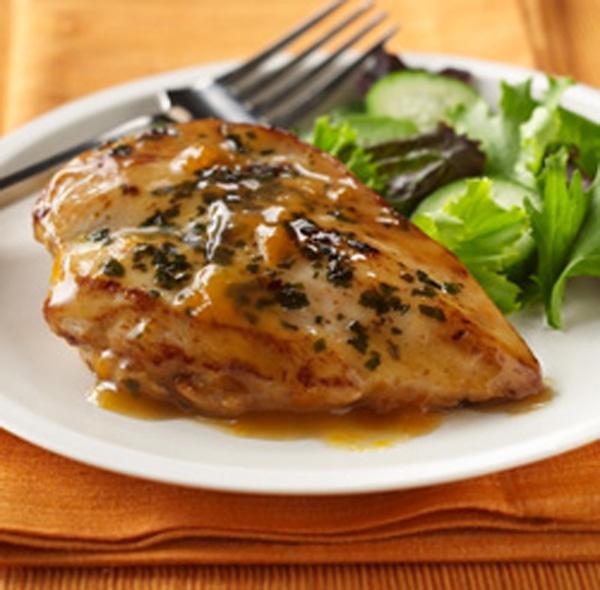
Chicken Breast Recipes

Chicken Breast Recipes

Chicken Breast Recipes
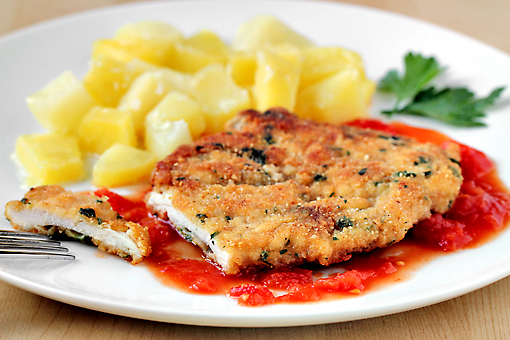
Chicken Breast Recipes
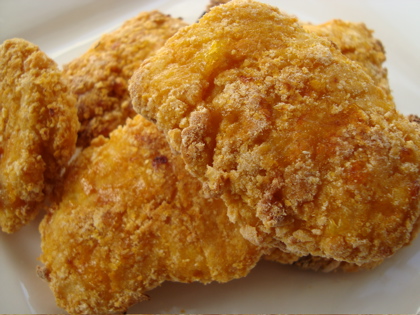
Chicken Breast Recipes
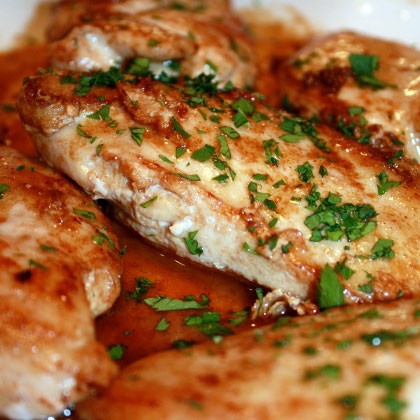
Chicken Breast Recipes

Chicken Breast Recipes
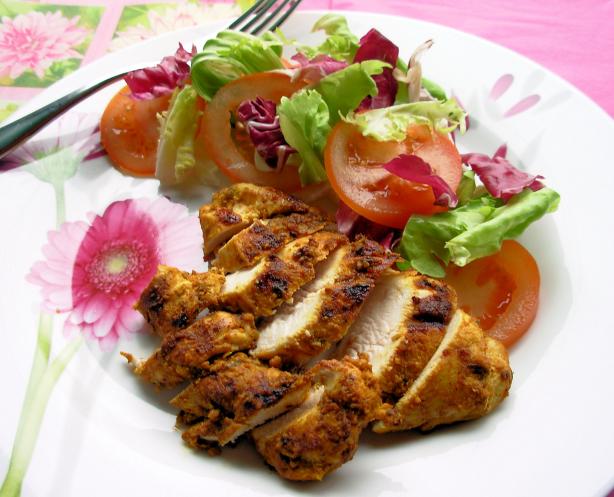
Chicken Breast Recipes

Chicken Breast Recipes

Chicken Breast Recipes

Chicken Breast Recipes

No comments:
Post a Comment