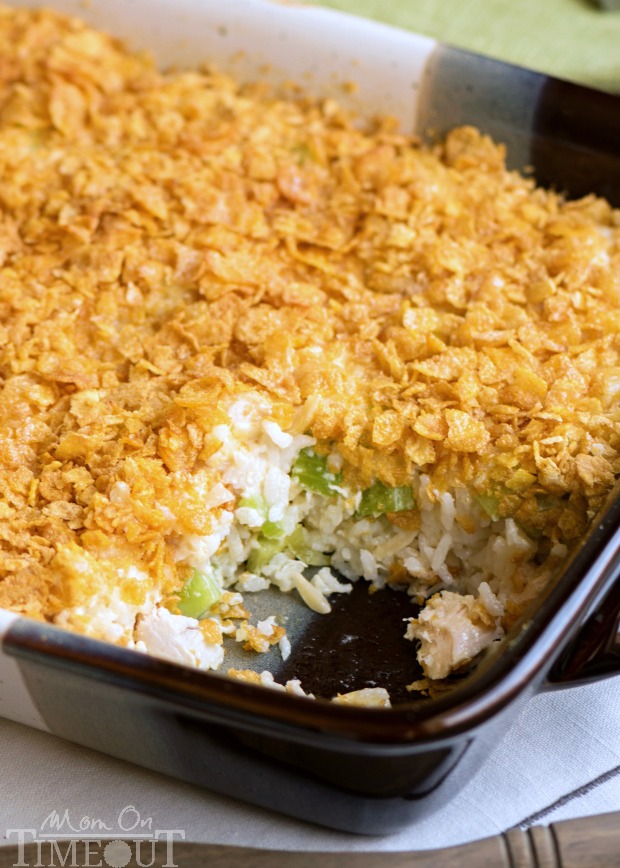
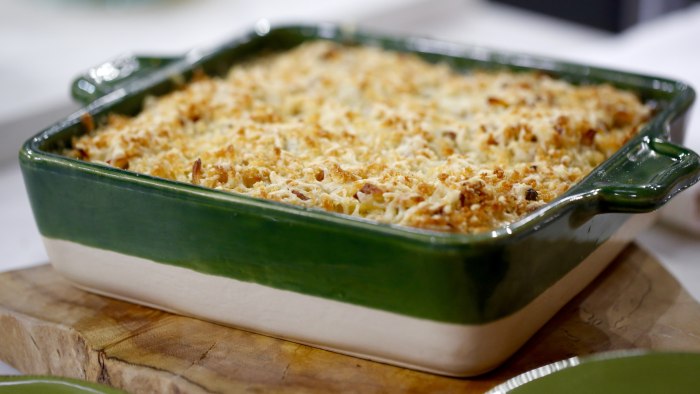
CHICKEN POT PIE RECIPE
SOURCE (GOOGLE.COM)
That
old American standby, the meat pot pie, has a long history. Back in the
days of the Roman Empire, these pastries were served at banquets,
sometimes with live birds under the crust, which must have startled
unwary guests.
In the 16th Century, the English gentry revived the ancient custom of meat pies. The fad soon swept the country, moving a British food writer to comment that his countrymen were especially fond of deer meat, "which they bake in pasties, and this venison pasty is a dainty rarely found in any other kingdom."
In fact, Britons during that era consumed meat pies of all sorts, including pork, lamb and game. They were especially fond of birds, and during the reign of Elizabeth I, English cooks made pot pies using "chicken peepers," which consisted of tiny chicks stuffed with gooseberries.
Around the middle of the 16th Century, one cookbook included a sort of telescopic pie in which five birds were stuffed one inside the other, then wrapped in dough.

In the 16th Century, the English gentry revived the ancient custom of meat pies. The fad soon swept the country, moving a British food writer to comment that his countrymen were especially fond of deer meat, "which they bake in pasties, and this venison pasty is a dainty rarely found in any other kingdom."
In fact, Britons during that era consumed meat pies of all sorts, including pork, lamb and game. They were especially fond of birds, and during the reign of Elizabeth I, English cooks made pot pies using "chicken peepers," which consisted of tiny chicks stuffed with gooseberries.
Around the middle of the 16th Century, one cookbook included a sort of telescopic pie in which five birds were stuffed one inside the other, then wrapped in dough.
That
old American standby, the meat pot pie, has a long history. Back in the
days of the Roman Empire, these pastries were served at banquets,
sometimes with live birds under the crust, which must have startled
unwary guests.
In the 16th Century, the English gentry revived the ancient custom of meat pies. The fad soon swept the country, moving a British food writer to comment that his countrymen were especially fond of deer meat, "which they bake in pasties, and this venison pasty is a dainty rarely found in any other kingdom."
In fact, Britons during that era consumed meat pies of all sorts, including pork, lamb and game. They were especially fond of birds, and during the reign of Elizabeth I, English cooks made pot pies using "chicken peepers," which consisted of tiny chicks stuffed with gooseberries.
Around the middle of the 16th Century, one cookbook included a sort of telescopic pie in which five birds were stuffed one inside the other, then wrapped in dough.
In the 16th Century, the English gentry revived the ancient custom of meat pies. The fad soon swept the country, moving a British food writer to comment that his countrymen were especially fond of deer meat, "which they bake in pasties, and this venison pasty is a dainty rarely found in any other kingdom."
In fact, Britons during that era consumed meat pies of all sorts, including pork, lamb and game. They were especially fond of birds, and during the reign of Elizabeth I, English cooks made pot pies using "chicken peepers," which consisted of tiny chicks stuffed with gooseberries.
Around the middle of the 16th Century, one cookbook included a sort of telescopic pie in which five birds were stuffed one inside the other, then wrapped in dough.
This
trend toward the grotesque reached its peak when an English food writer
took a page from the ancient Romans and featured a recipe that began
"to make pies that the birds may be alive and fly out when it is cut up.
. . ."
This fondness for meat pies soon spread to the New World. In the 19th Century, Americans became enamored of a pie that featured robins.
The settlers who came to America took their pot pie recipes with them when they moved westward. By the present century, chicken pot pies and meat variations have become as American as corn on the cob.
The humble potpie was once the height of culinary style. Filled with four and twenty blackbirds, for example, it was, at least in the nursery rhyme, a dainty dish to set before the king.
During the Elizabethan era, these savory pastries — decorated with flowers, fanciful designs and heraldic devices — were elaborate assertions of the chef's skill in the royal households of France and England. Among the lower classes, potpies were popular because the addition of a crust helped feed another mouth or two, while individual pies such as pasties, empanadas and pierogies were well-suited for sale by street vendors as portable meals.
Potpies are still part of the traditional cuisine of many regions throughout Europe. The Galician empanada from northern Spain is a version made with chunks of pork or fish. Cornish tin miners brought their hand-held meat pies, called pasties, with them to the copper and iron mines of upper Michigan.
The famous Greek spanakopita is essentially a spinach potpie in a phyllo crust, and Italy offers its Easter pie (torta Pasqualina) from Liguria. It is a quiche-like vegetable pie that at one time sported 33 layers, symbolizing Jesus Christ's age when he was crucified. And Muscovites serve an open-top meat pie, somewhat similar in appearance to a deep-dish pizza, called rasstegai.
The pies have a long history in America. An early recipe by Mrs. E.A. Howland appears in The New England Economical Housekeeper and Family Receipt Book published in 1845:
"Pot Pie or Soup: Scraps and crumbs of meat make a very good dinner, when made into soup. Put all your crumbs of meat into the dinner-pot. Slice in two onions, a carrot; put in a little salt and pepper, and water enough to cover it; then cover it with a crust, made with cream tartar... Stew it one hour and a half, or two hours. A flour thickening should be put in five minutes before you take it up. You may bake your potatoes, or slice them, and cooke them with the meat."
There is no reason the potpie shouldn't do just as well in the 21st century, although it is a little harder to make than it might seem.
The trick is getting all the ingredients to the right degree of doneness at the same time. You have to avoid undercooking the carrots and potatoes, avoid overcooking the meat and peas, and have the crust turn out perfectly browned and cooked through.
It may be these timing issues (as well as the overall time required) that led to the abandonment of the homemade potpie in favor of the frozen variety. When I was growing up in the 1960s, my mother — who was an excellent cook — regularly stocked these pies for my siblings and I to eat when she and my father went out to dinner parties. They tasted fine to children's palates, were nearly foolproof to prepare, and included meat, vegetables and starch in a single dish.
Fortunately, the resurgence in so-called retro foods has brought homemade potpies back to the table, although more often in restaurants than in homes. Nevertheless, all that's required to make a potpie at home is a little patience. And there are few things more satisfying on a cold winter's night than a heaping portion of meat, vegetables and crust in a luscious sauce. Add a side of steamed cabbage in butter or some sauteed mustard greens, and you have perfection.


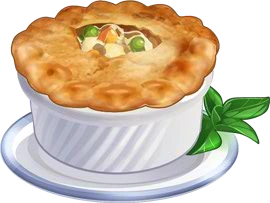

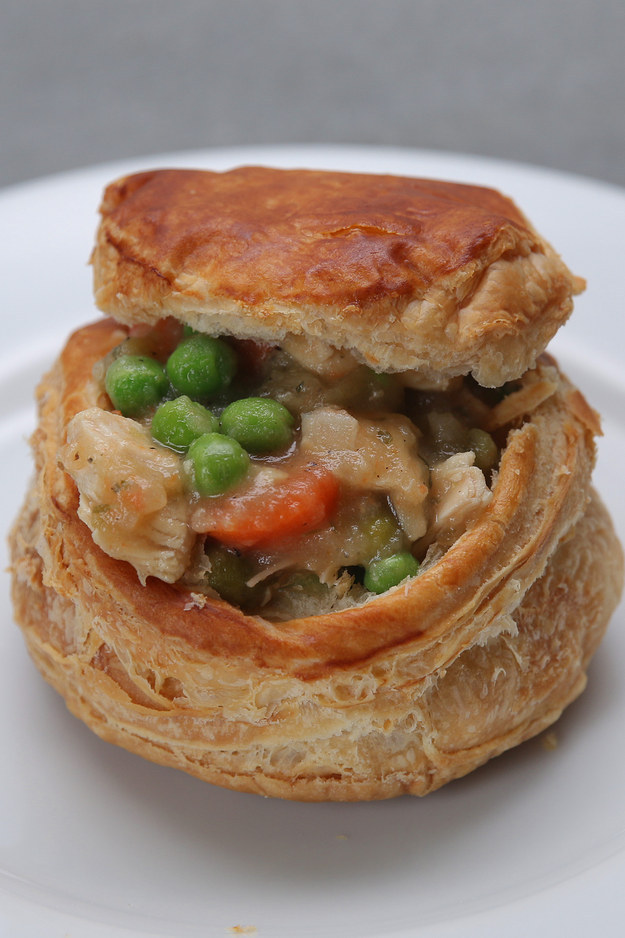


This fondness for meat pies soon spread to the New World. In the 19th Century, Americans became enamored of a pie that featured robins.
The settlers who came to America took their pot pie recipes with them when they moved westward. By the present century, chicken pot pies and meat variations have become as American as corn on the cob.
The humble potpie was once the height of culinary style. Filled with four and twenty blackbirds, for example, it was, at least in the nursery rhyme, a dainty dish to set before the king.
During the Elizabethan era, these savory pastries — decorated with flowers, fanciful designs and heraldic devices — were elaborate assertions of the chef's skill in the royal households of France and England. Among the lower classes, potpies were popular because the addition of a crust helped feed another mouth or two, while individual pies such as pasties, empanadas and pierogies were well-suited for sale by street vendors as portable meals.
Potpies are still part of the traditional cuisine of many regions throughout Europe. The Galician empanada from northern Spain is a version made with chunks of pork or fish. Cornish tin miners brought their hand-held meat pies, called pasties, with them to the copper and iron mines of upper Michigan.
The famous Greek spanakopita is essentially a spinach potpie in a phyllo crust, and Italy offers its Easter pie (torta Pasqualina) from Liguria. It is a quiche-like vegetable pie that at one time sported 33 layers, symbolizing Jesus Christ's age when he was crucified. And Muscovites serve an open-top meat pie, somewhat similar in appearance to a deep-dish pizza, called rasstegai.
The pies have a long history in America. An early recipe by Mrs. E.A. Howland appears in The New England Economical Housekeeper and Family Receipt Book published in 1845:
"Pot Pie or Soup: Scraps and crumbs of meat make a very good dinner, when made into soup. Put all your crumbs of meat into the dinner-pot. Slice in two onions, a carrot; put in a little salt and pepper, and water enough to cover it; then cover it with a crust, made with cream tartar... Stew it one hour and a half, or two hours. A flour thickening should be put in five minutes before you take it up. You may bake your potatoes, or slice them, and cooke them with the meat."
There is no reason the potpie shouldn't do just as well in the 21st century, although it is a little harder to make than it might seem.
The trick is getting all the ingredients to the right degree of doneness at the same time. You have to avoid undercooking the carrots and potatoes, avoid overcooking the meat and peas, and have the crust turn out perfectly browned and cooked through.
It may be these timing issues (as well as the overall time required) that led to the abandonment of the homemade potpie in favor of the frozen variety. When I was growing up in the 1960s, my mother — who was an excellent cook — regularly stocked these pies for my siblings and I to eat when she and my father went out to dinner parties. They tasted fine to children's palates, were nearly foolproof to prepare, and included meat, vegetables and starch in a single dish.
Fortunately, the resurgence in so-called retro foods has brought homemade potpies back to the table, although more often in restaurants than in homes. Nevertheless, all that's required to make a potpie at home is a little patience. And there are few things more satisfying on a cold winter's night than a heaping portion of meat, vegetables and crust in a luscious sauce. Add a side of steamed cabbage in butter or some sauteed mustard greens, and you have perfection.
CHICKEN POT PIE RECIPE
CHICKEN POT PIE RECIPE

CHICKEN POT PIE RECIPE
CHICKEN POT PIE RECIPE
CHICKEN POT PIE RECIPE
CHICKEN POT PIE RECIPE

CHICKEN POT PIE RECIPE
CHICKEN POT PIE RECIPE

CHICKEN POT PIE RECIPE

CHICKEN POT PIE RECIPE
CHICKEN POT PIE RECIPE

CHICKEN POT PIE RECIPE
CHICKEN POT PIE RECIPE
CHICKEN POT PIE RECIPE
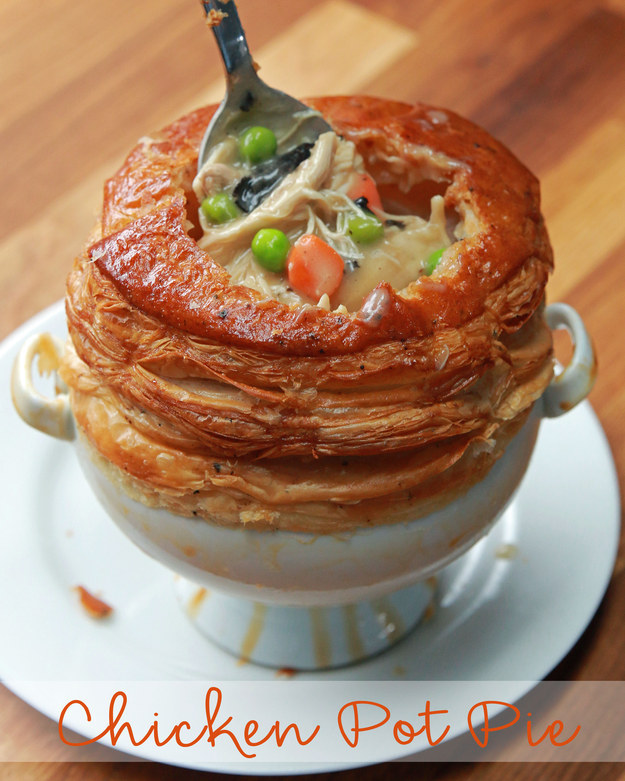
CHICKEN POT PIE RECIPE
CHICKEN POT PIE RECIPE
CHICKEN POT PIE RECIPE

CHICKEN POT PIE RECIPE